Current article
Best management practices
Hort360 Reef certification: In FY26, RFM maintained Hort360 Reef certification across the RFF Maryborough, Beerwah and Bauple orchards and achieved full certification for the Rookwood developments. Hort360 Reef Certification is an industry-led program that assesses farm practices against recognised standards for water quality and environmental management in catchments flowing to the Great Barrier Reef, and maintaining it provides an independent assessment that RFM's horticultural operations meet established benchmarks for nutrient, sediment and chemical management.
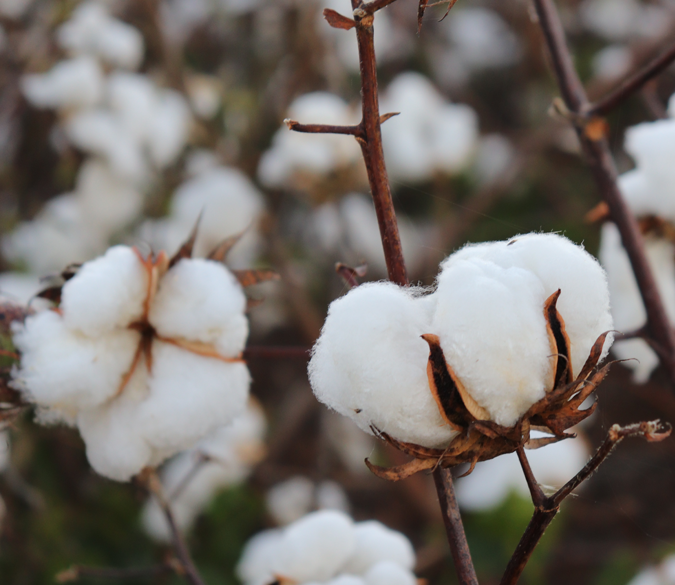
MyBMP certification: In FY26, RFM achieved MyBMP certification for its cotton operations on Baamba Plains and is working towards certification on its Lynora Downs and Mayneland cotton operations. MyBMP is Australia's benchmark program for responsible and efficient cotton production, covering ten key areas including water management, integrated pest management, soil health and biodiversity, and certification confirms that RFM's cotton operations meet industry standards while supporting continuous improvement in on-farm practices.
Bee friendly farming: RFM achieved Bee Friendly Farming certification across its macadamia operations. The certification requires farms to provide diverse forage, create suitable habitats and minimise the use of chemicals that may affect pollinators, supporting healthy pollinator populations that enhance crop yields, support biodiversity and contribute to the long-term sustainability and productivity of orchards.
Species conservation
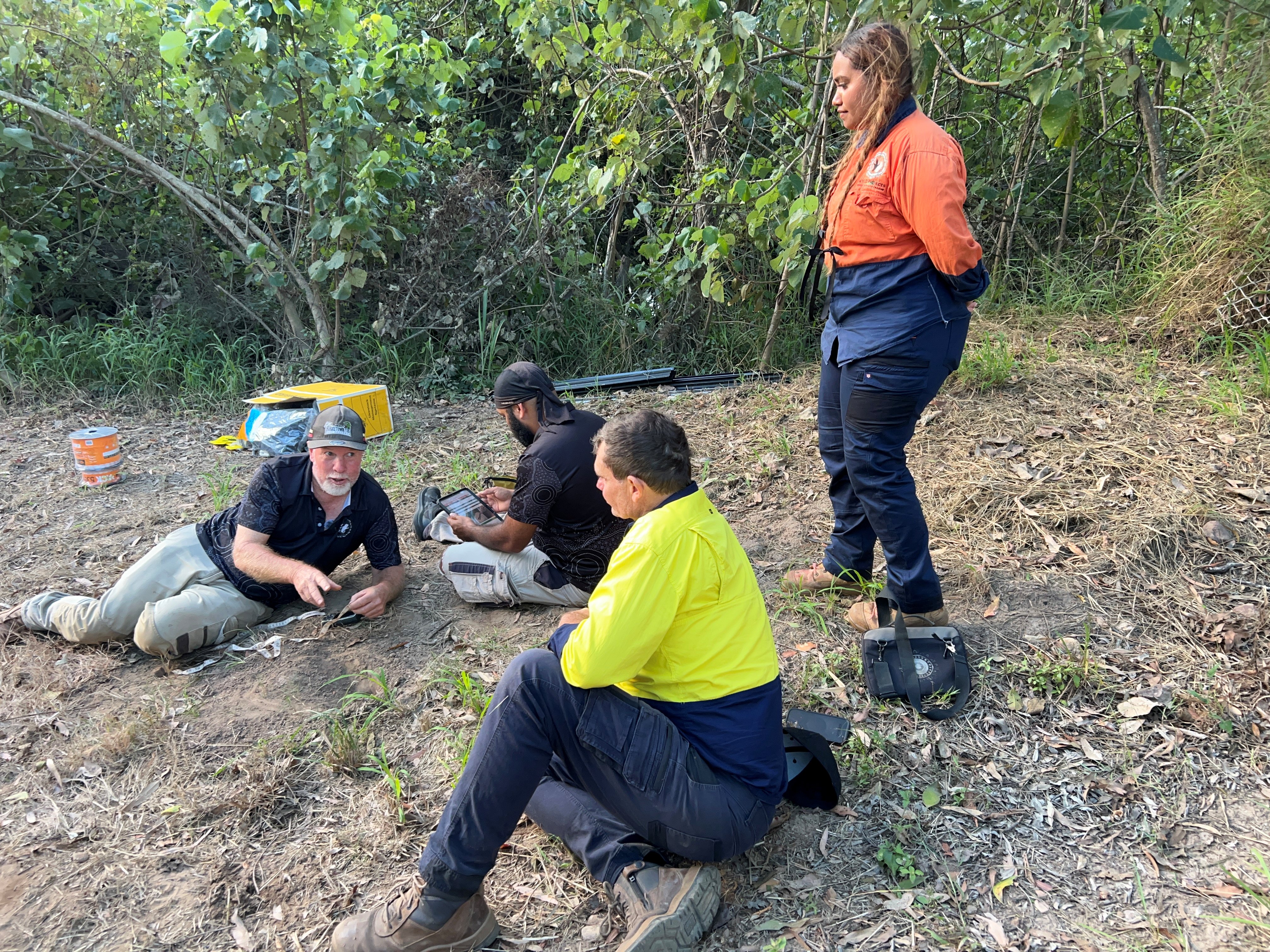
In FY26, RFM signed an MoU with the Tagalaka Aboriginal Corporation, Traditional Owners of the Croydon region, to support monitoring of freshwater turtle populations by Tagalaka rangers at RFF-owned property Oakland Park, extending existing monitoring in the Tagalaka National Park to give a broader understanding of turtle populations across the Gulf Savannah.
RFM also continued its collaboration with WYLD (Where Youth Live Dreams) Projects, supporting monitoring and protection of white-throated snapping turtle nesting sites along the Burnett and Mary rivers, near RFF's Mary River macadamia orchards, by relocating eggs into protective enclosures against predation; the 2025–26 season saw WYLD's highest clutch count in nine years.
Notes: