Current article
Rural Funds Management is exploring carbon farming opportunities across selected agricultural assets, including soil carbon, human-induced regeneration and soil carbon measurement initiatives. These projects are designed to support environmental outcomes while improving long-term asset productivity and resilience.
Kaiuroo Aggregation soil carbon project
The Clean Energy Regulator approved the Kaiuroo Aggregation soil carbon project in September 2025 to build soil organic carbon through regenerative farming practices, including changes to grazing management, targeted infrastructure improvements and the establishment of mixed-species, deep-rooted perennial pastures.
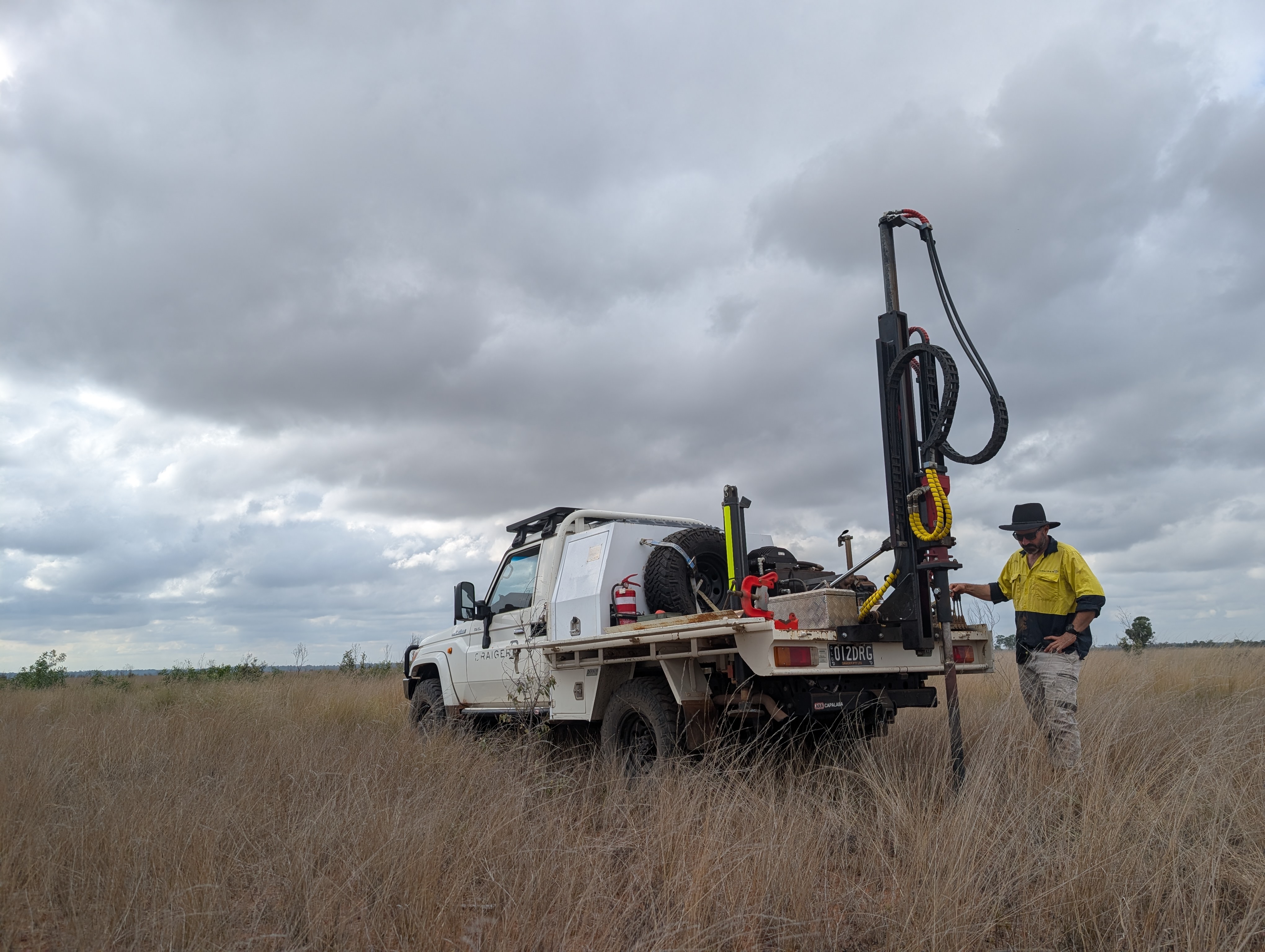
Soil carbon baseline sampling was completed in November 2025, with 1,052 soil samples analysed, and the development team has since begun implementing regenerative practices to increase soil carbon, including new water points and fencing for better grazing control and a shift to time-controlled grazing that allows pastures time to recover and regrow.
These practices are expected to improve soil structure, increase carbon sequestration and enhance long-term productivity across the 3,260 ha project area.
Lynora Downs environmental plantings carbon project
The RFM Board has approved this project to progress toward registration with the Clean Energy Regulator, under which permanent native vegetation will be established on uncropped support land and selected marginal areas that deliver low cropping yields but are well suited to generating carbon credits.
The environmental plantings method involves planting mixed native species endemic to the region, contributing to long-term carbon sequestration and improved biodiversity outcomes.
An application for project registration will be submitted to the Clean Energy Regulator, and with Board approval in place, ground preparation and planting are planned for FY27.
Notes: